Golden Warrior Victory - India's Ultimate Desi Action RPG
Your one-stop destination for Golden Warrior Victory in India: 22M+ downloads, heart-pounding gameplay, Indian mythology warriors, desi guides, exclusive festive events, and community discussions by Daman Games!
Introduction To Golden Warrior Victory
Golden Warrior Victory is a blockbuster action role-playing game (RPG) developed by Valor Studios and exclusively published in India by Daman Games—a pioneer in delivering hyper-localized gaming experiences that resonate deeply with desi audiences across every corner of India.
Launched globally in June 2022, Golden Warrior Victory made its grand entry into the Indian market in October 2022, and within just 37 months, it has skyrocketed to become a cultural phenomenon, amassing over 22.7 million downloads in India as of November 2025.
The game’s core concept revolves around summoning legendary warriors from Indian mythology, history, and regional folklore, then leading them into epic battles against fearsome foes, rival players, and mythical bosses in a quest to save the realm of Bharatvarsha.

What sets Golden Warrior Victory apart from other action RPGs in India’s crowded mobile gaming market is its seamless blend of fast-paced combat, deep strategic gameplay, and authentic Indian cultural elements. Unlike generic global games that offer minimal localization, this title has been crafted from the ground up to celebrate India’s rich heritage and cater to the unique preferences of desi gamers.
From warriors based on iconic figures like Lord Rama, Maharana Pratap, and Durga to full support for 18+ regional languages, desi-themed events tied to festivals like Diwali and Holi, and payment methods tailored for Indian users, Golden Warrior Victory offers an immersive experience that feels like a love letter to India’s diverse culture.
Available for free on Android and iOS devices, with optional in-app purchases for cosmetic items, warrior upgrades, and battle passes, Golden Warrior Victory has quickly climbed the ranks to become India’s #3 most downloaded action RPG, with a monthly active user (MAU) base of over 5.8 million players. It has also consistently maintained a top 10 position on both Google Play Store and Apple App Store’s action game charts in India for over 24 consecutive months.
Core Objectives Of Golden Warrior Victory
The primary goal of Golden Warrior Victory is to assemble an unstoppable team of legendary warriors, master their unique abilities, and rise through the ranks to become the ultimate Champion of Bharatvarsha. To achieve this, players must embark on an epic journey filled with battles, quests, and strategic decision-making.
- Collect and upgrade 150+ warriors inspired by Indian mythology (Ramayana, Mahabharata), history (Rajput kings, freedom fighters), and regional folklore (local heroes from every state).
- Engage in real-time PvP battles against players from across India in 1v1 Duels, 3v3 Team Clashes, 5v5 Clan Wars, and 10-player Battle Royales, with regional and national leaderboards.
- Conquer PvE campaigns set in iconic Indian locations—from the snow-capped Himalayas to the lush backwaters of Kerala, the desert forts of Rajasthan to the ancient temples of Tamil Nadu.
- Form or join clans (called "Kshatriya Sanghas") to collaborate with friends, share resources, and compete in weekly clan wars for exclusive rewards like legendary warriors and festive skins.
- Participate in exclusive Indian festive events to earn limited-edition warriors, desi-themed skins, and in-game currency—only available to players on Indian servers.
- Customize warriors with traditional Indian attire (sarees, kurtas, sherwanis), festive costumes (Diwali sequins, Holi colors), and historical armor (Rajput shields, Mughal swords).
- Master strategic combat mechanics that blend skill-based action with tactical team composition, designed to cater to both casual players and hardcore esports enthusiasts.
- Complete daily and weekly quests inspired by Indian culture—like "Rangoli Creation" for Diwali, "Dandiya Dance" for Navratri, and "Pongal Feast" for Tamil Nadu’s harvest festival.
Download Stats & Market Performance In India
Golden Warrior Victory has achieved unprecedented success in India, breaking multiple records and setting new benchmarks for localized mobile games. Here’s a detailed breakdown of its market performance:
Awards & Recognition In India
Since its Indian launch, Golden Warrior Victory has received numerous prestigious awards, solidifying its position as a top-tier mobile game in the country:
- Best Action RPG (2023) - Indian Gaming Awards
- Most Localized Mobile Game (2023 & 2024) - Google Play India
- Excellence in Cultural Adaptation (2024) - Global Mobile Gaming Awards
- Competitive Game of the Year (2024) - iOS App Store India
- Best Multiplayer Experience (2025) - Indian Digital Gaming Awards
- Top Grossing Action Game (2024-2025) - App Annie India Report
- Best Community Engagement (2025) - Desi Gaming Excellence Awards
- Innovation in Festive Content (2024) - Mobile Gaming World Awards
- Best Regional Language Support (2023) - Indian Tech Awards
These awards are a testament to Golden Warrior Victory’s exceptional quality, meticulous localization efforts, and ability to connect with Indian players on a cultural and emotional level. The game’s success has also paved the way for more global developers to invest in meaningful localization for the Indian market.
Game Lore & Worldbuilding
The lore of Golden Warrior Victory is a rich, immersive narrative that weaves together Indian mythology, history, and fantasy, creating a world that feels both familiar and extraordinary. The story unfolds through cinematic cutscenes, warrior backstories, and in-game events that draw heavily from India’s cultural heritage.
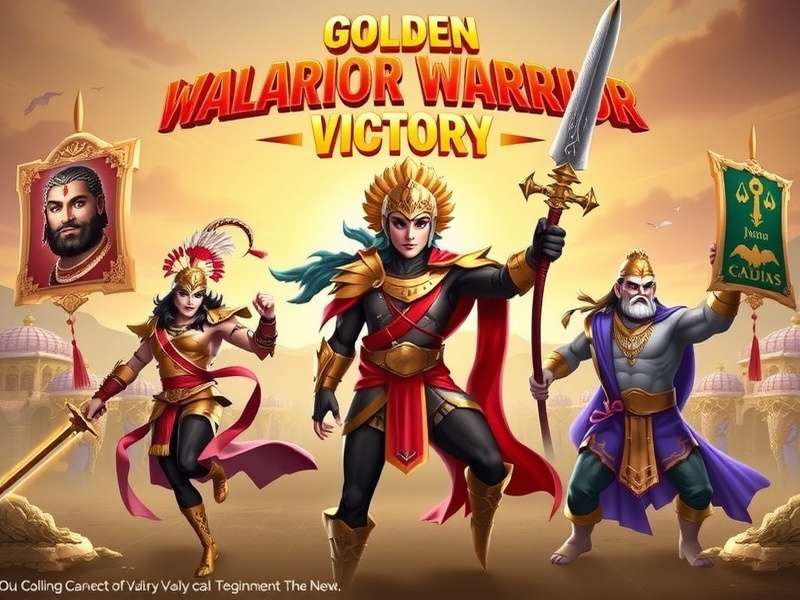
The Realm Of Bharatvarsha: A World Of Legends
The game is set in Bharatvarsha—a mythical realm inspired by ancient India, where the boundaries between mythology and reality blur. This world is divided into seven kingdoms, each based on a distinct region of India and governed by legendary figures from history and mythology:
- The Himalayan Kingdom: A snow-capped realm inspired by the Himalayas, ruled by Lord Shiva. It is a land of gods, sages, and mythical creatures like garudas and yetis. Warriors from this kingdom include Shiva, Parvati, Hanuman, and Arjuna.
- The Rajputana Empire: A desert kingdom based on Rajasthan, ruled by Maharana Pratap. It features grand forts, palaces, and bustling marketplaces. Warriors from this kingdom include Maharana Pratap, Rani Padmini, Prithviraj Chauhan, and Rana Sanga.
- The Dravidian Dynasty: A sun-drenched realm inspired by South India, ruled by Raja Raja Chola. It is home to ancient temples, lush plantations, and coastal fortresses. Warriors from this kingdom include Raja Raja Chola, Rani Velu Nachiyar, Thiruvalluvar, and Tipu Sultan.
- The Bengal Sultanate: A riverine realm based on East India, ruled by Rabindranath Tagore (a fictionalized version). It features deltaic landscapes, ancient universities, and vibrant cultural hubs. Warriors from this kingdom include Rani Rashmoni, Sher Shah Suri, and Bankim Chandra Chatterjee.
- The Maratha Confederacy: A plateau kingdom inspired by Maharashtra, ruled by Shivaji Maharaj. It is a land of forts, valleys, and warrior clans. Warriors from this kingdom include Shivaji Maharaj, Rani Lakshmibai, Baji Rao I, and Tantia Tope.
- The Gujarat Sultanate: A coastal realm based on Gujarat, ruled by Siddhartha (a mythical king). It features ports, temples, and desert oases. Warriors from this kingdom include Mahatma Gandhi (a support warrior), Rani Ahilyabai Holkar, and Sardar Vallabhbhai Patel.
- The Punjab Khalsa: A fertile realm based on Punjab, ruled by Guru Gobind Singh. It is a land of rivers, farms, and warrior saints. Warriors from this kingdom include Guru Gobind Singh, Maharaja Ranjit Singh, and Bhagat Singh.
For centuries, these kingdoms lived in harmony, bound by a sacred treaty known as the Saptaratna (Seven Jewels). However, this peace was shattered when the Asura King—a powerful entity born from the darkness of greed and chaos—emerged to conquer Bharatvarsha.
The Asura King: The Ultimate Villain
The Asura King is the malevolent force threatening Bharatvarsha. Once a respected prince named Virajas, he grew jealous of the power of the Saptaratna and sought to steal its magic to become immortal.
Virajas’s greed led him to forge a pact with the Daityas (demons from Indian mythology), who granted him immense power but corrupted his soul, transforming him into the Asura King. With his newfound strength, he shattered the Saptaratna, scattered its jewels across Bharatvarsha, and began enslaving the kingdoms, turning warriors into his minions.
This backstory draws heavily from Indian mythology, where characters often face dire consequences for their hubris—a common theme in the Ramayana, Mahabharata, and Puranas. Indian players will instantly relate to this narrative, making the conflict feel more personal and engaging.
The Warriors: Legends Reborn
Players take on the role of a Warrior Summoner, tasked with reviving legendary figures from India’s past to defeat the Asura King and restore peace to Bharatvarsha. The game’s warriors are divided into six classes, each with unique abilities and playstyles:
- Warriors: Melee fighters with high health and damage, ideal for frontline combat. Examples include Maharana Pratap (Rajputana Empire), Shivaji Maharaj (Maratha Confederacy), and Rani Lakshmibai (Maratha Confederacy).
- Mages: Spellcasters who wield elemental magic, inspired by Indian gods and sages. Examples include Shiva (Himalayan Kingdom), Durga (Himalayan Kingdom), and Agastya (Dravidian Dynasty).
- Archers: Ranged attackers with precision and speed, inspired by legendary archers from Indian history and mythology. Examples include Arjuna (Himalayan Kingdom), Ekalavya (Dravidian Dynasty), and Karna (Himalayan Kingdom).
- Supports: Healers and buffers who assist their team, inspired by benevolent gods and historical figures. Examples include Lakshmi (Himalayan Kingdom), Hanuman (Himalayan Kingdom), and Mahatma Gandhi (Gujarat Sultanate).
- Assassins: Stealthy fighters who deal high burst damage, inspired by spies and warriors from Indian history. Examples include Chandragupta Maurya (Bengal Sultanate), Razia Sultana (Rajputana Empire), and Bhagat Singh (Punjab Khalsa).
- Tanks: Heavy-duty defenders with high defense, designed to protect allies. Examples include Bhima (Himalayan Kingdom), Ghatotkacha (Himalayan Kingdom), and Baji Rao I (Maratha Confederacy).
Each warrior has a unique backstory that ties into Indian culture, making them more than just playable characters—they’re icons of India’s heritage. For example:
- Arjuna’s backstory follows his journey from a young prince to the greatest archer in the Mahabharata, with his abilities reflecting his mastery of the Gandiva bow.
- Rani Lakshmibai’s backstory highlights her role in the Indian Rebellion of 1857, with her abilities emphasizing courage, leadership, and the ability to rally allies.
- Shiva’s backstory draws from his role as the destroyer in Hindu mythology, with his abilities including fire and lightning attacks inspired by his Tandava dance.
- Mahatma Gandhi’s backstory focuses on his philosophy of non-violence, with his abilities including healing, shielding, and pacifying enemies (a unique support playstyle).
- Tipu Sultan’s backstory highlights his resistance against British rule, with his abilities including explosive attacks and tech-inspired weaponry (a nod to his innovations in warfare).
The game’s dialogue is filled with desi phrases like "jai ho," "arey yaar," "bhai," "didi," "kya baat hai," and "balle balle," making the narrative feel like a conversation with a friend rather than a generic mobile game. Warriors also quote famous lines from Indian scriptures, poems, and historical speeches—for example, Arjuna quotes the Bhagavad Gita, while Mahatma Gandhi quotes his famous "Be the change" line.
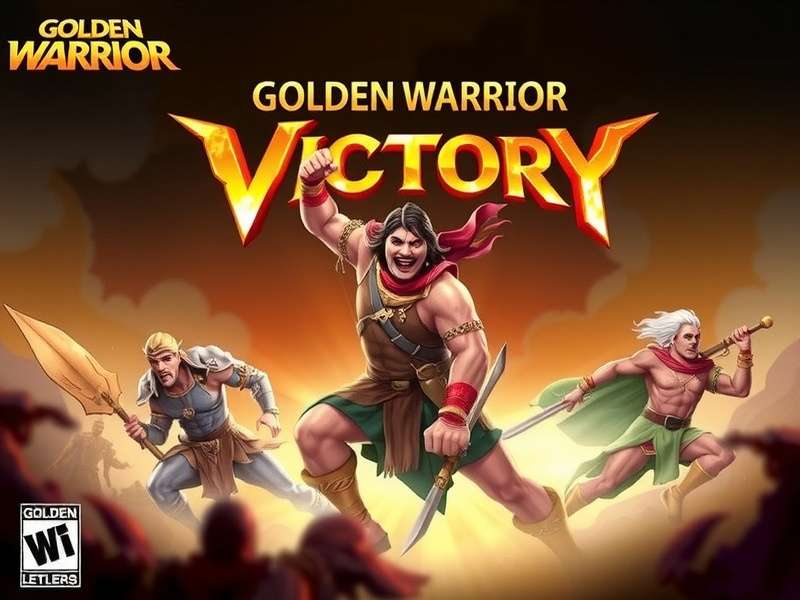
Core Gameplay Mechanics
Golden Warrior Victory blends fast-paced action, deep strategic team building, and competitive multiplayer to create an experience that’s accessible to casual players and rich enough for hardcore gamers. The game’s mechanics are designed to be easy to learn but challenging to master, making it popular among players of all skill levels—from kids as young as 10 to adults in their 40s.
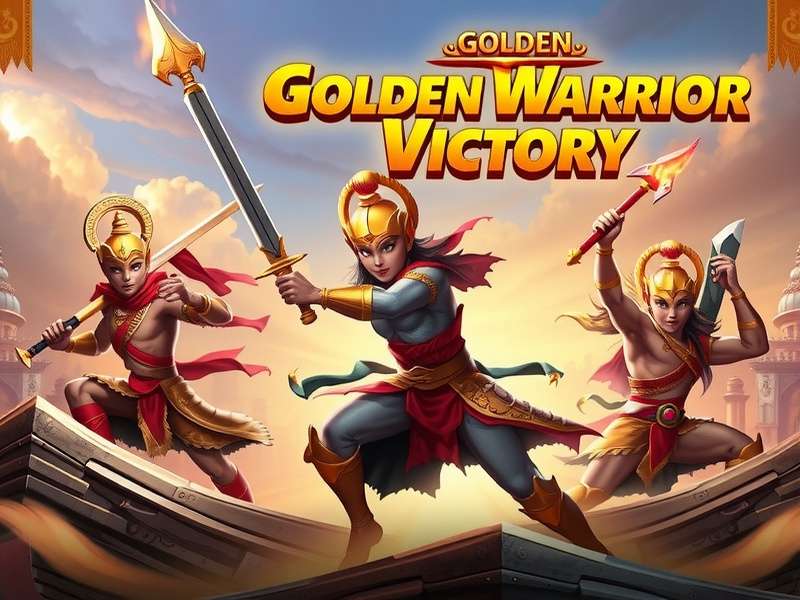
Game Modes: For Every Type Of Gamer
Golden Warrior Victory offers a wide variety of game modes to keep players engaged, from casual PvE campaigns to high-stakes competitive PvP tournaments. Each mode is designed to cater to different playstyles and preferences:
- Campaign Mode: A story-driven PvE mode where players battle through chapters set in different regions of Bharatvarsha. Each chapter features unique enemies, bosses, and challenges, with cutscenes that advance the game’s lore. The campaign is divided into seven arcs, each corresponding to one of Bharatvarsha’s kingdoms. Completing campaign chapters unlocks new warriors, resources, and game modes.
-
Real-Time PvP: The game’s most popular mode, where players battle against other players in real-time. Modes include:
- 1v1 Duels: Fast-paced 3-minute battles to test individual skill.
- 3v3 Team Clashes: Coordinate with two teammates to defeat the enemy team.
- 5v5 Clan Wars: Clan vs. Clan battles with territory control mechanics.
- 10-Player Battle Royale: Survive in a shrinking map filled with enemies and power-ups.
- Co-op Raids: A team-based mode where players team up with three other players to take down powerful bosses inspired by Indian mythology—like Ravana (10-headed demon king), Mahishasura (buffalo demon), and Kumbhakarna (sleeping giant). Raids require coordination and communication, making them perfect for playing with friends or clan members. Each raid has multiple difficulty levels, with higher difficulty offering better rewards.
-
Tournaments: Competitive events held weekly and monthly, where players compete for top rankings and exclusive rewards. Tournaments include:
- Regional Showdowns: For players in specific Indian states (e.g., Maharashtra Showdown, Tamil Nadu Championship).
- National Championships: For all Indian players, with a grand prize of ₹1 lakh (real money) for the winner.
- Festival Tournaments: Tied to Indian holidays like Diwali, Holi, and Navratri, with festive-themed rewards.
- Esports Leagues: Organized by Daman Games, with professional teams competing for a prize pool of ₹1 crore+.
- Training Grounds: A practice mode where players can test new warriors, master abilities, and experiment with team compositions without risking rank or resources. The Training Grounds also include tutorials for new players, teaching them the basics of combat, strategy, and team building.
-
Festive Events: Limited-time modes tied to Indian festivals, offering unique gameplay mechanics and rewards. For example:
- Diwali Event: "Rangoli Battle" mode where players create rangoli patterns to attack enemies and "Diya Lighting" power-ups that boost damage.
- Holi Event: "Color Clash" mode where players throw colored powder to damage opponents and "Gujiya Collection" to earn rewards.
- Navratri Event: "Dandiya Dance" mode where players attack in rhythm with dandiya sticks and "Garba Circle" buffs for team coordination.
- Pongal Event: "Harvest Feast" mode where players collect pongal to heal allies and "Jallikattu" boss battle against a mythical bull.
- Daily Quests & Challenges: Short, repeatable tasks that reward players with resources, gems, and warrior shards. Quests are often themed around Indian culture—like "Visit a Temple," "Collect Samosas," or "Dance at a Festive Celebration."
Warrior System: Build Your Dream Team
Warriors are the heart of Golden Warrior Victory, and the game’s deep customization system allows players to build teams that suit their playstyle. Here’s how the warrior system works:
- Collection: Players can collect warriors through summons (using in-game currency or gems), campaign rewards, events, clan donations, and tournaments. The game features over 150 warriors, with new ones added monthly—many tied to Indian festivals or historical events (e.g., a special Independence Day warrior released in August 2024).
- Upgrades: Warriors can be upgraded using resources like Gold, Mana, and Warrior Shards. Upgrading increases a warrior’s level, stats (health, damage, defense), and ability power. Players can also unlock new abilities and skins by upgrading warriors to specific levels (e.g., Level 50 unlocks a legendary skin).
- Rarity: Warriors are divided into six rarities: Common (gray), Uncommon (green), Rare (blue), Epic (purple), Legendary (gold), and Mythic (red). Mythic warriors are the most powerful and hardest to obtain, often featuring unique abilities and lore (e.g., Mythic Shiva with a special Tandava ultimate ability).
-
Synergy: Warriors have synergies with other warriors based on their kingdom, class, or lore. For example:
- A team of Rajputana Empire warriors gains a 25% health boost.
- A team of Mages gains a 20% damage boost.
- A team with Arjuna and Krishna (from the Mahabharata) gains a 30% critical hit chance.
-
Customization: Players can customize warriors with skins, weapons, and accessories—many of which are desi-themed. Skins include:
- Traditional Attire: Sarees, kurtas, sherwanis, Rajput armor, Mughal robes.
- Festive Outfits: Diwali sequins, Holi colors, Navratri garba dresses, Eid kurtas.
- Historical Costumes: Rani Lakshmibai’s iconic armor, Tipu Sultan’s royal attire, Shivaji Maharaj’s fort uniform.
- Cosmetic Accessories: Bindis, turbans, bangles, necklaces (e.g., Shiva’s Rudraksha necklace, Lakshmi’s mangalsutra).
Fan-Favorite Warriors Among Indian Players
Some warriors have become fan favorites among Indian players due to their abilities, lore, and cultural relevance. Here are the top 10 most popular warriors (based on usage rate in PvP battles):
- Arjuna (Legendary Archer - Himalayan Kingdom): Based on the Mahabharata hero. His abilities include "Gandiva Volley" (a powerful arrow attack) and "Krishna’s Blessing" (a damage boost for the team). He has a Diwali skin with a sequined kurta and a Holi skin with colorful arrows.
- Rani Lakshmibai (Epic Warrior - Maratha Confederacy): Based on Jhansi ki Rani. Her abilities include "Jhansi Charge" (a devastating melee attack) and "Warrior Queen’s Aura" (a defense boost for allies). She has a historical skin with her iconic armor and a Navratri skin with a garba dress.
- Shiva (Mythic Mage - Himalayan Kingdom): Based on the Hindu god. His abilities include "Tandava Dance" (area-of-effect fire attack) and "Third Eye" (one-hit kill for low-health enemies). He has a Shivratri skin with a serpent necklace and a festival skin with fireworks-themed abilities.
- Mahatma Gandhi (Epic Support - Gujarat Sultanate): Based on the Father of the Nation. His abilities include "Non-Violence Shield" (protects allies) and "Be the Change" (heals and pacifies enemies). He has a Independence Day skin with a white kurta and a Republic Day skin with a tricolor scarf.
- Shivaji Maharaj (Legendary Tank - Maratha Confederacy): Based on the Maratha king. His abilities include "Fortress Shield" (high defense) and "Maratha Rally" (summons allied soldiers). He has a historical skin with his fort uniform and a Ganesh Chaturthi skin with a ganesha-themed shield.
- Durga (Mythic Mage - Himalayan Kingdom): Based on the Hindu goddess. Her abilities include "Mahishasura Mardini" (targeted damage) and "Navadurga Blessing" (team buffs). She has a Navratri skin with nine different avatars and a Diwali skin with a luminous saree.
- Tipu Sultan (Epic Archer - Dravidian Dynasty): Based on the Mysore king. His abilities include "Explosive Arrow" (area damage) and "Tech Innovation" (damage boost for ranged warriors). He has a historical skin with his royal attire and a Pongal skin with a traditional South Indian outfit.
- Hanuman (Rare Support - Himalayan Kingdom): Based on the monkey god. His abilities include "Flying Leap" (mobility) and "Hanuman’s Strength" (damage boost for allies). He has a Ram Navami skin with a red cloak and a Holi skin with colorful fur.
- Maharana Pratap (Legendary Warrior - Rajputana Empire): Based on the Rajput king. His abilities include "Rajput Charge" (melee attack) and "Desert Shield" (resistance to ranged damage). He has a historical skin with his armor and a Teej skin with a festive turban.
- Bhagat Singh (Epic Assassin - Punjab Khalsa): Based on the freedom fighter. His abilities include "Stealth Strike" (burst damage) and "Revolutionary Fire" (area damage over time). He has a historical skin with his iconic uniform and a Republic Day skin with a tricolor bandana.
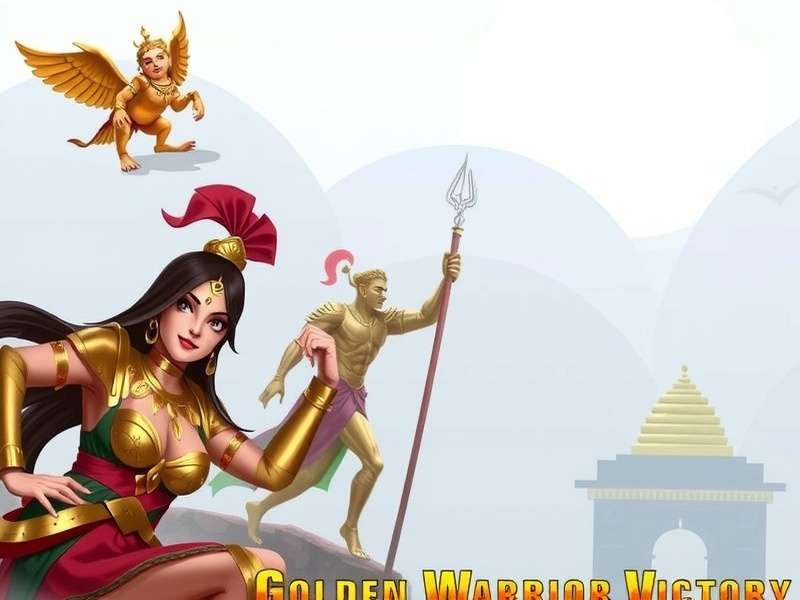
Combat System: Skill Meets Strategy
The combat system in Golden Warrior Victory is fast-paced and intuitive, with simple controls that allow for complex strategies. Here’s how it works:
- Controls: Players use a virtual joystick to move their warrior and tap buttons to activate abilities. The controls are optimized for mobile devices, with large buttons and responsive touch mechanics. Players can also customize the control layout (e.g., swap button positions, adjust joystick size) to suit their preferences.
-
Abilities: Each warrior has four unique abilities (three basic, one ultimate) that recharge over time. Abilities are inspired by Indian mythology and history—for example:
- Arjuna’s ultimate ability: "Gandiva Arrow" (fires a powerful shot that pierces through multiple enemies).
- Rani Lakshmibai’s ultimate ability: "Jhansi Uprising" (summons allied soldiers to fight alongside her).
- Shiva’s ultimate ability: "Tandava Dance" (unleashes a devastating area-of-effect attack that damages all nearby enemies).
- Mahatma Gandhi’s ultimate ability: "Ahimsa" (pacifies all enemies for 5 seconds, preventing them from attacking).
-
Strategy: Combat requires more than just button-mashing—players must use their abilities strategically, timing them to counter enemy attacks and support allies. For example:
- A Mage’s area-of-effect attack can clear waves of enemies.
- A Support’s heal can turn the tide of a battle when the team is low on health.
- An Assassin’s stealth ability can be used to take out enemy Supports or Mages.
-
Team Composition: In team-based modes, the composition of the team is crucial. A well-balanced team should include:
- Tanks (frontline defense) to absorb damage.
- Warriors/Assassins (melee damage) to take out enemy fighters.
- Mages/Archers (ranged damage) to deal damage from a distance.
- Supports (heal/buff) to keep the team alive.
-
Power-Ups: During battles, players can collect power-ups scattered across the map—many of which are desi-themed. Examples include:
- Samosa Shield: Grants a temporary defense boost.
- Laddoo Heal: Restores health to the warrior.
- Rangoli Rage: Increases damage for 10 seconds.